
Schools
Do the Right Thing: Gisele helped an injured cat lying on the street
By Lucas Grant
Advertisement · Why this ad?
A former educator, Lucas holds a degree in Education from Nazareth College and has transitioned to journalism, focusing on education reporting for the Rochester Beacon. He aims to shed light on both the challenges and triumphs within local schools.
More from Lucas →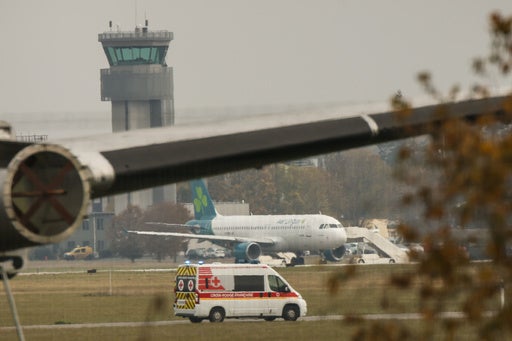
On a crisp November morning, passengers aboard a Finnair flight from Helsinki to Rome were jolted from their routine, their hearts racing as military jets flanked their aircraft. As the plane touched down, the reality of a bomb threat loomed large, a stark reminder of the world’s unpredictable nature. This incident was one of over a dozen bomb threats that plagued European air travel, leading to emergency landings and heightened security measures across the continent. Authorities quickly labeled these threats as ‘malicious’ hoaxes, yet the impact was very real, sending ripples of fear and disruption throughout the aviation community.
On November 5, 2026, a wave of bomb threats targeted more than a dozen flights across Europe, resulting in a series of emergency landings and military escorts. An Aer Lingus flight from Dublin to Rome was notably diverted to Evreux military air base in France, where bomb disposal teams were dispatched to examine the aircraft. French Prime Minister Sébastien Lecornu confirmed that the flight landed safely, but the pilot's initial lack of cooperation with authorities raised concerns, prompting further investigation.
In addition to the Aer Lingus flight, Italian air force jets were called to escort another Finnair flight, while three Ryanair flights bound for Sofia, Bulgaria, also faced military escorts and emergency landings due to bomb threats. Despite the chaos, no hazardous materials were found on any of the diverted flights, underscoring the nature of these threats as potentially coordinated hoaxes.
Jacob Funk Kirkegaard, a senior fellow at the Bruegel think tank in Brussels, suggested that these threats served to 'stress-test' European governments and airport officials, examining their responses to such crises. The situation reflects a broader pattern of increasing tensions in Europe, with authorities on high alert for hybrid threats, particularly in light of geopolitical instability.
While bomb threats are not a new phenomenon in air travel, the sheer volume of incidents occurring on the same day is unprecedented. Earlier in the week, several flights operated by LOT Polish Airlines, Scandinavian Airlines, Wizz Air, and others also faced similar threats, leading to diversions and heightened security measures. This uptick in threats coincides with a rising trend of disruptions across Europe, including attacks on supermarket refrigeration systems and drone incursions, which have left authorities scrambling to ensure public safety.
The motives behind these threats remain unclear. An email sent to Rome-bound flights purportedly originated from a group identifying itself as anti-feminist, raising questions about the intentions behind such malicious acts. The timing of these threats, amidst heightened geopolitical tensions, suggests a possible connection to broader societal issues that merit further exploration.
As European nations grapple with the implications of these threats, the aviation industry is faced with significant financial repercussions as well. Philip Baum, a visiting professor of aviation security, estimated that each flight disruption could cost airlines up to $250,000, factoring in the expenses of crew replacements, missed connections, and the overall chaos that ensues from such incidents.
The economic ramifications of these hoaxes extend beyond immediate airline costs. They also strain governmental resources, as military escorts and heightened security measures incur additional expenses. The financial burden of these disruptions may lead to increased ticket prices for passengers, as airlines seek to recoup losses associated with such threats.
Moreover, the psychological toll on passengers cannot be overlooked. The fear and anxiety experienced during these incidents can deter individuals from flying, impacting tourism and business travel across Europe. The aviation industry has always been sensitive to public perception, and incidents like these can undermine confidence in air travel safety.
As the situation unfolds, industry leaders and government officials must work collaboratively to address both the immediate threats and the underlying societal issues that give rise to such malicious acts. Ensuring the safety and security of air travel is paramount, but so is addressing the root causes of fear and unrest that manifest in these troubling incidents.
The response from communities across Europe has been one of solidarity and concern. Passengers and their families expressed their fears and frustrations on social media, with many calling for stronger measures to prevent such threats in the future. The emotional impact of these threats is profound, as individuals grapple with the reality that their safety can be compromised in an instant.
Heidi Alexander, Britain’s transport secretary, referred to the threats as “malicious hoax threats,” emphasizing the need for vigilance and cooperation among European nations. The European Union’s Transport Commissioner, Apostolos Tzitzikostas, echoed this sentiment, highlighting the importance of information-sharing mechanisms on aviation security to prevent future incidents.
Airlines, too, have taken proactive steps to reassure their passengers. Finnair, which faced multiple bomb scares, released statements emphasizing their commitment to passenger safety and the rigorous protocols in place to handle such threats. This transparency is crucial in rebuilding trust and ensuring that travelers feel secure when flying.
In light of these events, airport security measures are likely to be reassessed and strengthened. Increased screening processes, enhanced communication protocols, and collaboration with law enforcement agencies will be essential in mitigating future risks. The aviation industry must remain agile and responsive to evolving threats, ensuring that safety remains the top priority.
As communities come together to support one another in the aftermath of these threats, the resilience of the human spirit shines through. Families are reminded of the importance of strong, supportive relationships during times of crisis, as they navigate the emotional fallout of such incidents.
Looking ahead, authorities will continue to investigate the origins of these bomb threats and work to identify those responsible. The need for robust international cooperation has never been more critical, as threats to air travel transcend borders and require a unified response.
As investigations unfold, it is essential for communities to remain vigilant and informed. Public awareness campaigns can play a vital role in educating passengers about safety protocols and the importance of reporting suspicious activity. Building a culture of safety within the aviation industry will be paramount in preventing future disruptions.
Ultimately, the incidents of November 5 serve as a stark reminder of the challenges faced by the aviation industry in an increasingly complex world. As families and travelers navigate these uncertain times, the importance of strong marriages and intact families becomes even more evident. Providing a stable support system can help individuals cope with the anxiety and fear that arise from such threats, reinforcing the values that bind communities together.
In conclusion, while these bomb threats may have been deemed hoaxes, their impact on individuals, families, and the aviation industry is very real. As we move forward, let us remain committed to fostering a sense of community, safety, and resilience in the face of adversity.